Whitton Station Upholstery Cleaning Tips for Commuters
If you commute through Whitton Station, you already know how quickly upholstery can pick up the sort of everyday mess that sneaks in under the radar: coffee drips on the train seat, rain on a coat sleeve, crumbs in a car seat, or that faint damp smell after a wet walk to the platform. These Whitton Station upholstery cleaning tips for commuters are designed for real life, not showroom perfection. The aim is simple: keep your fabric sofas, office chairs, car seats, and home upholstery looking decent, drying properly, and lasting longer without turning your evening into a full cleaning project.
In this guide, you'll find the practical stuff that actually helps on busy weekdays: how upholstery cleaning works, what commuters should do first, what to avoid, when professional help makes sense, and how to keep stains from becoming permanent. A little care at the right moment goes a long way. Truth be told, that's half the battle.
- Why it matters
- How upholstery cleaning works
- Key benefits and practical advantages
- Who this is for and when it makes sense
- Step-by-step guidance
- Expert tips for better results
- Common mistakes to avoid
- Tools, resources and recommendations
- Law, compliance, standards or best practice
- Options, methods, or comparison table
- Case study or real-world example
- Practical checklist
- Conclusion
- Frequently asked questions
Why Whitton Station Upholstery Cleaning Tips for Commuters Matters
Commuters put upholstery through a very specific kind of wear. It's not just dirt; it's time pressure, weather, repeated use, and a lot of small incidents adding up. A commuter's chair or sofa often gets touched down on quickly, with coats, bags, lunch containers, wet umbrellas, and the occasional muddy shoe or oily takeaway. It's messy in a low-key way, which is exactly why it gets ignored until the mark looks stubborn.
Near Whitton Station, that pattern makes even more sense. People are rushing out early, coming home late, and don't always have the energy for a proper clean. So the smart approach is preventive care plus targeted action. That means you're not trying to deep-clean every week. You're trying to keep fibres healthy, reduce build-up, and treat spills before they set. A few minutes here and there can save a lot of hassle later.
There's also a comfort angle. Upholstery that smells clean, feels dry, and looks cared for changes the whole tone of a home or vehicle. It feels fresher. Less tired. And to be fair, when you spend a big chunk of your life commuting, you notice the little things more than you think.
How Whitton Station Upholstery Cleaning Tips for Commuters Works
Good upholstery cleaning is a mix of inspection, surface care, moisture control, and stain treatment. The process changes slightly depending on the material, but the core logic stays the same: remove loose dirt first, treat the mark carefully, and use as little liquid as needed.
For most commuters, the practical version looks like this:
- Identify the fabric if you can. Cotton blends, synthetics, wool mixes, leather, and velvet all behave differently.
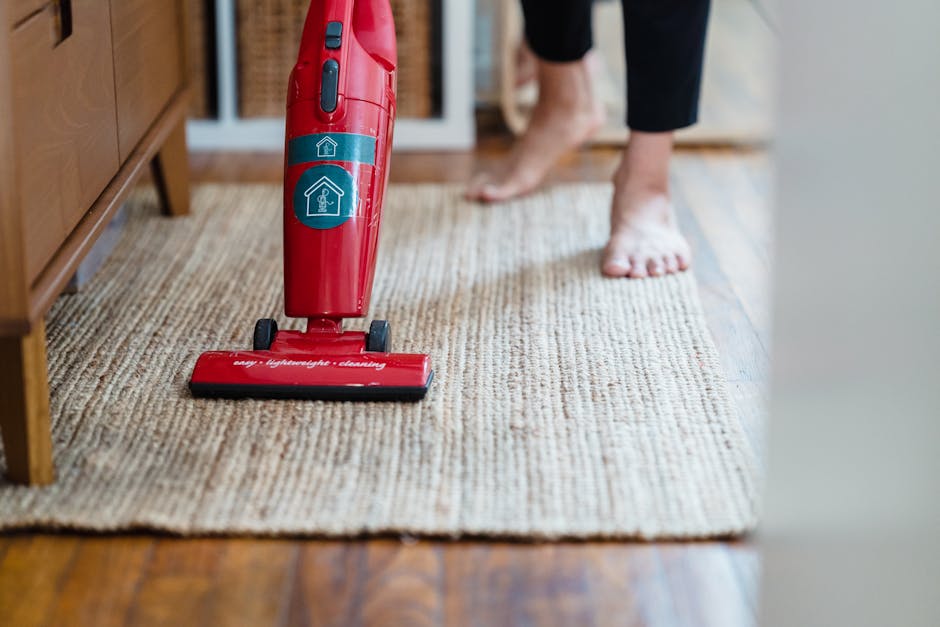
- Vacuum first to lift grit, crumbs, and dry debris. Skipping this step usually makes the stain worse.
- Test a cleaner on a hidden spot so you can see how the material reacts.
- Treat the mark gently with a small amount of suitable product, blotting rather than scrubbing.
- Let the fabric dry thoroughly with airflow, not heat blasting.
That last part matters more than people think. Over-wetting can leave water rings, musty smells, and in some cases colour bleeding. A good clean isn't about soaking the upholstery; it's about controlled cleaning. A bit boring, yes. Also effective.
If you're dealing with furniture at home, the same principles apply to sofas, dining chairs, footstools, and cushions. For more formal or heavily used seating, it can help to look at professional upholstery cleaning as part of a wider care routine, especially if stains are recurring or the fabric has lost its freshness.
Key Benefits and Practical Advantages
The biggest benefit is obvious: cleaner upholstery. But there's a bit more to it than that.
- Longer fabric life: Dirt particles act like fine sandpaper. They wear fibres down faster than you'd expect.
- Better smell control: Daily commuting brings in rain, food odours, sweat, and general urban life. Upholstery traps all of it.
- Less visible staining: Small spills are much easier to manage before they oxidise or sink deeper into the fabric.
- Improved comfort: Clean upholstery feels better, plain and simple.
- Better presentation: Important if you're sharing a home, renting a room, or working from a space that doubles as a meeting area.
There's also a practical commuter benefit: less panic. If you know how to deal with a stain quickly, the morning coffee incident doesn't become a full mood for the rest of the week. That's worth something.
For households that also manage carpets, it may be sensible to pair upholstery care with periodic carpet cleaning so the whole room feels consistent rather than half-fresh, half-not.
Who This Is For and When It Makes Sense
This advice is useful for more than one type of commuter. If you travel through Whitton Station and your routine involves regular wet-weather walks, crowded trains, coffee on the go, or a car seat that sees daily use, you'll benefit. It's also relevant if you live in a smaller flat where furniture gets a lot of use and can't just be hidden away until "later."
It especially makes sense for:
- commuters with young children in the household
- people who eat or drink in the car between stops
- home workers who use a sofa, accent chair, or desk chair all day
- landlords or tenants wanting to keep a property presentable
- office teams managing shared seating in waiting areas or staff rooms
Sometimes the timing is the real question. If a stain is fresh, act fast. If the fabric smells stale but there's no single stain, a deeper clean may be better. If the upholstery is delicate, expensive, or already discoloured, professional help is usually the safer move. You don't win points for bravery with a bottle of mystery spray.
Step-by-Step Guidance
Here's a commuter-friendly routine that keeps things realistic.
1. Clear the area first
Remove bags, scarves, crumbs, seat covers, loose cushions, and anything else sitting on the fabric. You want to see the actual problem, not clean around it. If the stain is on a car seat, open the doors for airflow before you begin.
2. Vacuum properly
Use a soft upholstery attachment. Go slowly, especially along seams, piping, and folds where grit hides. These little lines collect more debris than people realise. Don't rush it. That's where the sneaky stuff lives.
3. Check the care label or fabric type
Many items have a cleaning code or manufacturer guidance. If there isn't one, be conservative. Water-safe fabrics can usually handle light cleaning, but delicate textiles may need dry methods or specialist treatment.
4. Blot fresh spills immediately
Use a clean, white cloth or absorbent paper towel. Press gently. Do not rub. Rubbing spreads the spill and pushes it deeper into the fibres. The aim is to lift moisture, not rearrange it.
5. Use the right cleaner in small amounts
Whether you're using a mild fabric cleaner, foam, or a specialist product, apply it sparingly. Overuse creates residue, and residue attracts dirt. A neat clean is usually a better clean.
6. Work from the outside in
That helps stop the stain from spreading outward and becoming a bigger patch. It's a small thing, but useful. Especially with coffee, tea, and food grease.
7. Rinse lightly if required
Some products need a light wipe-over with a damp cloth. If you do this, keep the cloth only slightly moist. You're aiming to remove cleaner residue, not add a second wave of wetness.
8. Dry with airflow
Open windows where possible, switch on a fan, or let the room breathe. In a car, park safely and ventilate the interior. Fast drying helps prevent odours and keeps the fibre finish from going flat.
9. Reassess once dry
Look at the area in daylight if you can. Some stains look better when wet and then reappear as the fabric dries. Annoying? Yes. Normal? Also yes.
Expert Tips for Better Results
These are the small habits that separate "looks a bit cleaner" from "actually sorted."
- Treat fabric like fabric, not hard flooring. Upholstery needs gentler handling than tiles or laminate.
- Use white cloths. Coloured cloths can transfer dye, especially on light fabric.
- Keep a mini stain kit nearby. A cloth, a small brush, and a fabric-safe cleaner are enough for most incidents.
- Work quickly but calmly. Panic leads to over-scrubbing, which is worse than waiting a minute to blot properly.
- Do a smell check after drying. A faint damp smell means the item may still need more airflow.
- Rotate cushions. Even wear helps upholstery age better and stay looking balanced.
One practical tip commuters often overlook: don't apply perfume, air freshener, or heavy deodoriser directly over a stain. It may mask the smell for a while, but it can also add residue and make diagnosis harder. Better to clean the cause. Much better.
If you're dealing with sofas that also need deeper sanitising or de-odourising, looking into sofa cleaning can be a sensible next step, especially for family homes and shared living spaces.
Common Mistakes to Avoid
A lot of upholstery damage comes from trying to fix the problem too aggressively. Here are the mistakes that cause the most trouble.
- Scrubbing hard: This roughs up the pile and can leave a permanent patch.
- Using too much water: Moisture trapped in foam or padding can lead to odour and slow drying.
- Trying random household products: Bleach, strong detergents, and untested sprays can damage colour or texture.
- Ignoring the backing and padding: What looks dry on top may still be damp underneath.
- Skipping the test patch: A five-second test can save a very expensive mistake.
- Leaving stains until the weekend: Fresh marks are always easier. Always.
Another subtle mistake is cleaning too much in one go. If the stain is set, it may need repeated gentle treatment rather than one big effort. That can feel slow, I know. But slow is often safer.
Tools, Resources and Recommendations
You do not need a van full of equipment. In most commuter households, a few sensible tools cover 80 percent of common issues.
| Tool or item | What it helps with | Why it's useful for commuters |
|---|---|---|
| Upholstery vacuum attachment | Dust, crumbs, grit | Keeps surfaces tidy between deeper cleans |
| White microfibre cloths | Blotting and light cleaning | Gentle, reusable, and easy to keep in a drawer |
| Soft brush | Loosening dry debris | Useful for seams and textured fabrics |
| Fabric-safe cleaner | Spot treatment | Helps deal with coffee, food, and everyday marks |
| Fan or good ventilation | Drying | Reduces damp smell and moisture build-up |
For larger items, deep staining, or repeated odour problems, it's usually worth comparing service options rather than guessing. A reputable provider will be clear about what they do, what's included, and what to expect from the fabric after treatment. If you want to compare broader service information, the pricing and quotes page can help you understand how enquiries are typically handled. For businesses with shared seating or client-facing areas, commercial carpet cleaning may also be relevant alongside upholstery care.
Law, Compliance, Standards, or Best Practice
For most commuters, upholstery cleaning is not a heavily regulated activity in the way some trades are. Still, there are sensible best-practice expectations worth following. If a cleaning company is working in your home, vehicle, or workplace, you should expect careful handling of materials, suitable cleaning methods, and a clear approach to safety.
In practical terms, that means:
- checking that cleaning products are used appropriately for the fabric
- minimising moisture where it could damage padding or backing
- protecting surrounding surfaces and electrical items
- making reasonable efforts to ventilate after cleaning
- being transparent about limitations, especially on aged or fragile fabrics
If you hire a professional, it is sensible to review service terms and safety information before booking. Pages such as terms and conditions, health and safety policy, and insurance and safety help set expectations and reduce surprises. That's not paperwork for the sake of it; it's the boring bit that protects everyone.
Data handling matters too. If you make an enquiry online, you may want to check the site's privacy policy and payment and security information before sharing details or paying for a booking.
Options, Methods, or Comparison Table
Different upholstery problems call for different approaches. Here's a straightforward comparison.
| Method | Best for | Pros | Watch-outs |
|---|---|---|---|
| Vacuum and spot clean | Routine maintenance | Quick, cheap, easy to repeat | Won't fix deep stains or odours |
| Mild fabric cleaner | Fresh spills and small marks | Good balance of control and convenience | Must be tested first |
| Foam or low-moisture treatment | General refresh | Less saturation, often safer on fabric | May need more than one pass |
| Professional upholstery cleaning | Set-in stains, odours, delicate items | Deeper finish, more confidence, less risk | Needs booking and drying time |
To be fair, there's no single "best" method for every commuter household. If the issue is one coffee mark on a sturdy chair, keep it simple. If the item smells stale after months of daily use, go deeper. Common sense wins here.
Case Study or Real-World Example
Picture a fairly typical weekday: someone leaves Whitton Station on a wet morning, coat damp at the shoulders, coffee in hand, bag sliding off one arm. By the evening, the same coat has been tossed on a dining chair, and the chair now has a faint damp edge plus a ring from a paper cup that leaked a little in transit. Nothing dramatic. Just one of those irritating commuter messes that builds up quietly.
The best response in that situation is not a big heavy clean. First, the chair is vacuumed to lift grit and crumbs. Next, the mark is blotted with a dry white cloth. Then a fabric-safe cleaner is used sparingly, with a second cloth to lift residue. Finally, the chair is left with the window open for a few hours and checked again in daylight the next morning.
What usually surprises people is how much better the room feels after that small amount of work. Not spotless. Just fresher. And that matters when you're heading out before sunrise and coming back after dark. A tidy chair is a small thing, but it changes the mood a bit.
If the same household also has a tired rug near the hallway or under a desk, pairing care with rug cleaning or even steam carpet cleaning can make the whole space feel more consistent.
Practical Checklist
Use this before and after cleaning. It keeps things tidy and stops you missing the obvious bits.
- Vacuum the upholstery first
- Identify the fabric type or cleaning code
- Test any cleaner on a hidden area
- Blot spills instead of rubbing them
- Use only a small amount of product
- Work from the outside of the stain inward
- Avoid soaking cushions or padding
- Allow strong airflow while drying
- Check for lingering smell once dry
- Repeat gently if needed, rather than forcing it
Quick summary: clean early, use less liquid than you think, and let the fabric dry properly. That's the commuter-friendly formula. Simple, not fancy.
If the stain is stubborn, the fabric is delicate, or you'd simply rather not risk it, professional help can be the calmer choice. For direct support, you can always use the site's contact page to ask questions or talk through what your upholstery needs.
Conclusion
Whitton Station upholstery cleaning tips for commuters are really about staying ahead of the mess in a practical, low-stress way. You do not need to deep-clean every week, and you definitely do not need to treat every mark like an emergency. What helps most is a steady routine: vacuum regularly, blot quickly, avoid over-wetting, and give fabric enough time to dry fully.
That approach works at home, in cars, and in shared spaces. It keeps upholstery looking cared for, reduces odours, and makes the whole commute-and-home routine feel a little smoother. Not glamorous. But useful. Very useful.
Get a free quote today and see how much you can save.
And if you only remember one thing from all of this, make it this: the sooner you deal with a stain, the less it gets to boss you around later.
Frequently Asked Questions
What are the best upholstery cleaning tips for commuters near Whitton Station?
The best tips are to vacuum first, blot spills quickly, use a fabric-safe cleaner sparingly, and dry the area with good airflow. That combination handles most commuter-related mess before it settles in.
How do I remove coffee stains from a fabric chair or car seat?
Blot the spill immediately with a clean white cloth, then apply a small amount of suitable cleaner to the stain. Work gently from the outside in and avoid scrubbing, which can spread the mark.
Can I use household cleaners on upholstery?
Sometimes, but only with caution. Many household products are too strong for delicate fabrics or can leave residue. Always test on a hidden patch first, and if in doubt, use a fabric-specific product.
How often should commuters clean upholstery?
Light vacuuming can be done weekly if the item gets regular use. Spot cleaning should happen as soon as spills occur. Deeper cleaning is usually needed less often, depending on use, fabric type, and how much traffic the item gets.
Why does my upholstery smell damp after cleaning?
Usually because too much moisture was used or the item didn't dry properly. Open windows, add airflow, and avoid heat that may damage the fabric. If the smell persists, the padding may still be holding moisture.
Is steam cleaning safe for all upholstery?
No, not for all fabrics. Some materials tolerate steam well, while others can shrink, distort, or discolour. Check the fabric type and proceed carefully, or use a professional service for fragile items.
What should I do if a stain has already set?
Use a gentler approach and don't expect instant results. Older stains often need repeated careful treatment or professional attention. Pushing harder usually makes them worse, which is a bit rude of them, but there it is.
Can upholstery cleaning help with odours from commuting clothes or wet coats?
Yes. Upholstery often holds on to damp and everyday odours from coats, bags, and repeated use. Cleaning plus thorough drying can improve freshness quite noticeably.
When should I book a professional upholstery clean?
Book one if the fabric is delicate, the stain is large or set-in, the item smells stale, or you simply don't want to risk damage. It's also a good option when you want a deeper refresh across several items at once.
Do I need to check any policies before booking a cleaner?
Yes, it's sensible to review service terms, safety information, payment details, and privacy information before you book. That helps you understand what's included and what to expect.
How can I keep upholstery cleaner during a busy commute week?
Keep a small kit nearby, avoid eating over upholstery, shake out coats and bags before sitting down, and deal with spills the same day. A few tiny habits make the biggest difference, honestly.
What if my furniture is a mix of fabric and leather?
Clean each material according to its own needs. Fabric and leather don't like the same products or moisture levels. Separate care is usually the safer route, especially for mixed upholstery pieces.
Where can I learn more about the company and its service approach?
You can read the about us page for background, and check the site's cleaning and policy pages if you want to understand how service, safety, and sustainability are handled.